Mariusz Kruk
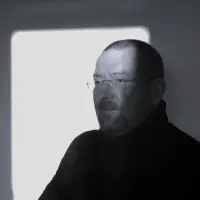
Mariusz Kruk (b. 1952, Poznań, Poland) is a visual artist, draftsman, painter, poet, and philosopher. He studied Painting at the State Higher School of Fine Arts in Poznań (1978–1982), completing his diploma in the studio of Prof. Jerzy Kałucki. Between 1983 and 1987, he was the founder and an active member of the artistic group Koło Klipsa, whose actions played a significant role in shaping the landscape of Polish contemporary art in the 1980s.
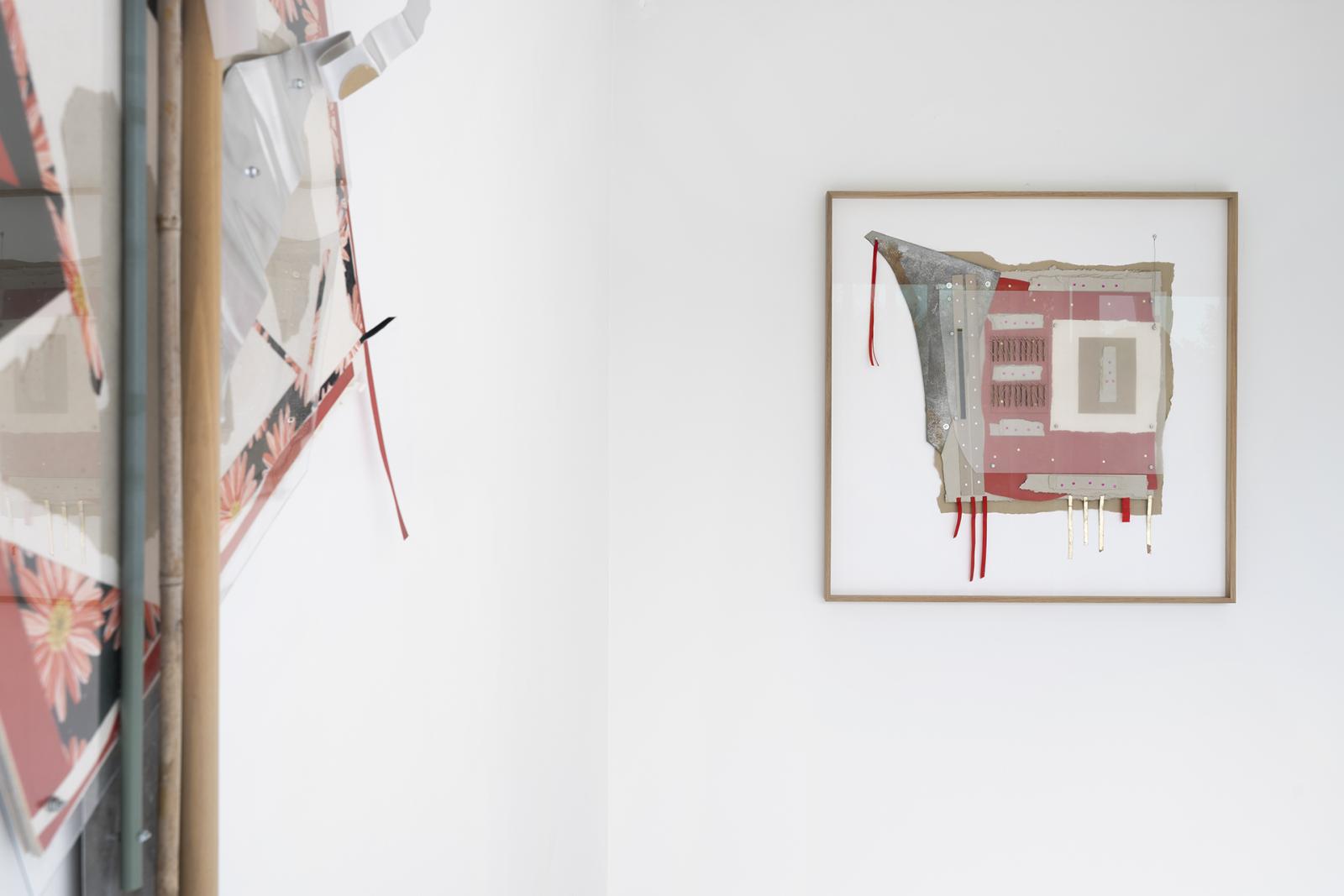
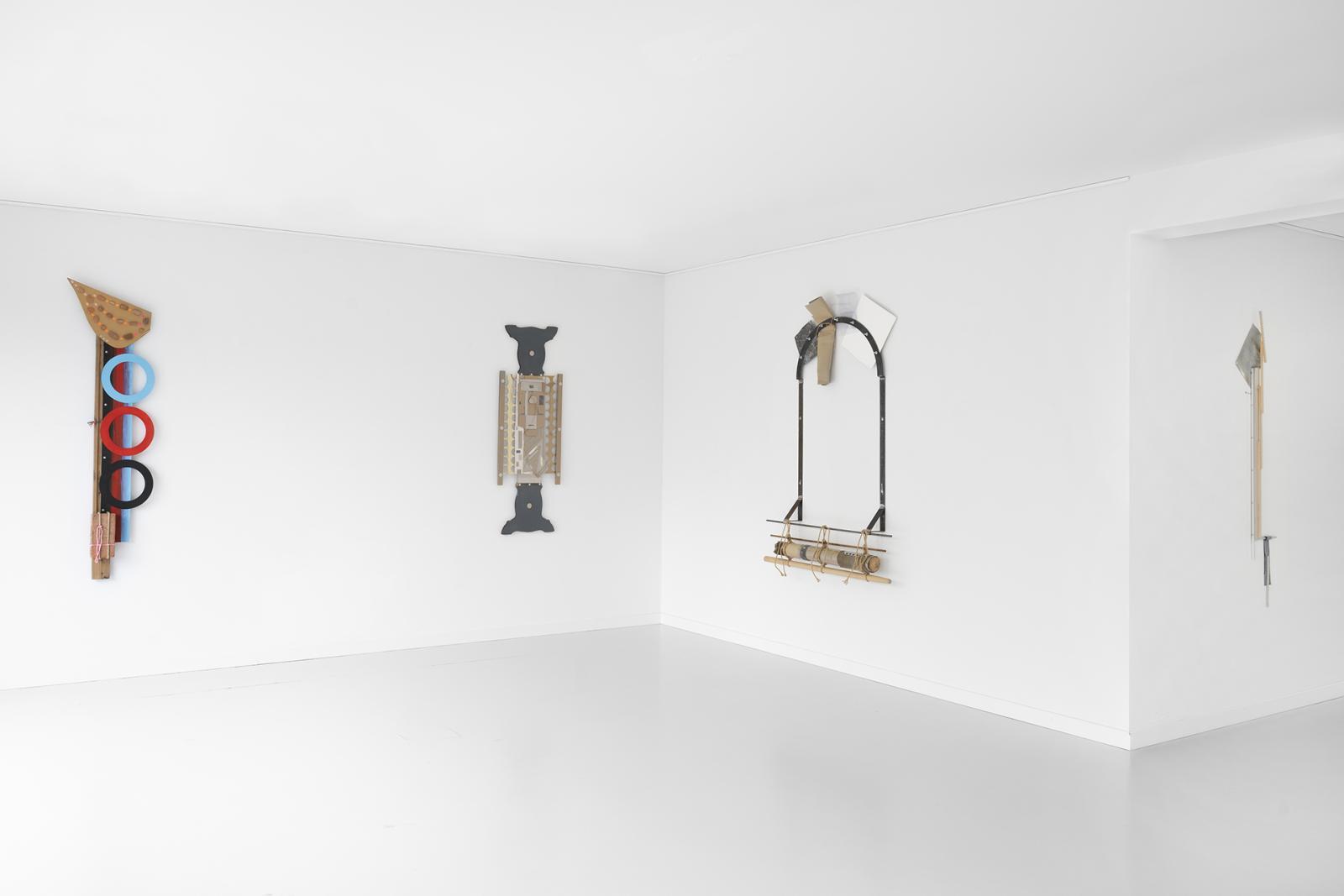
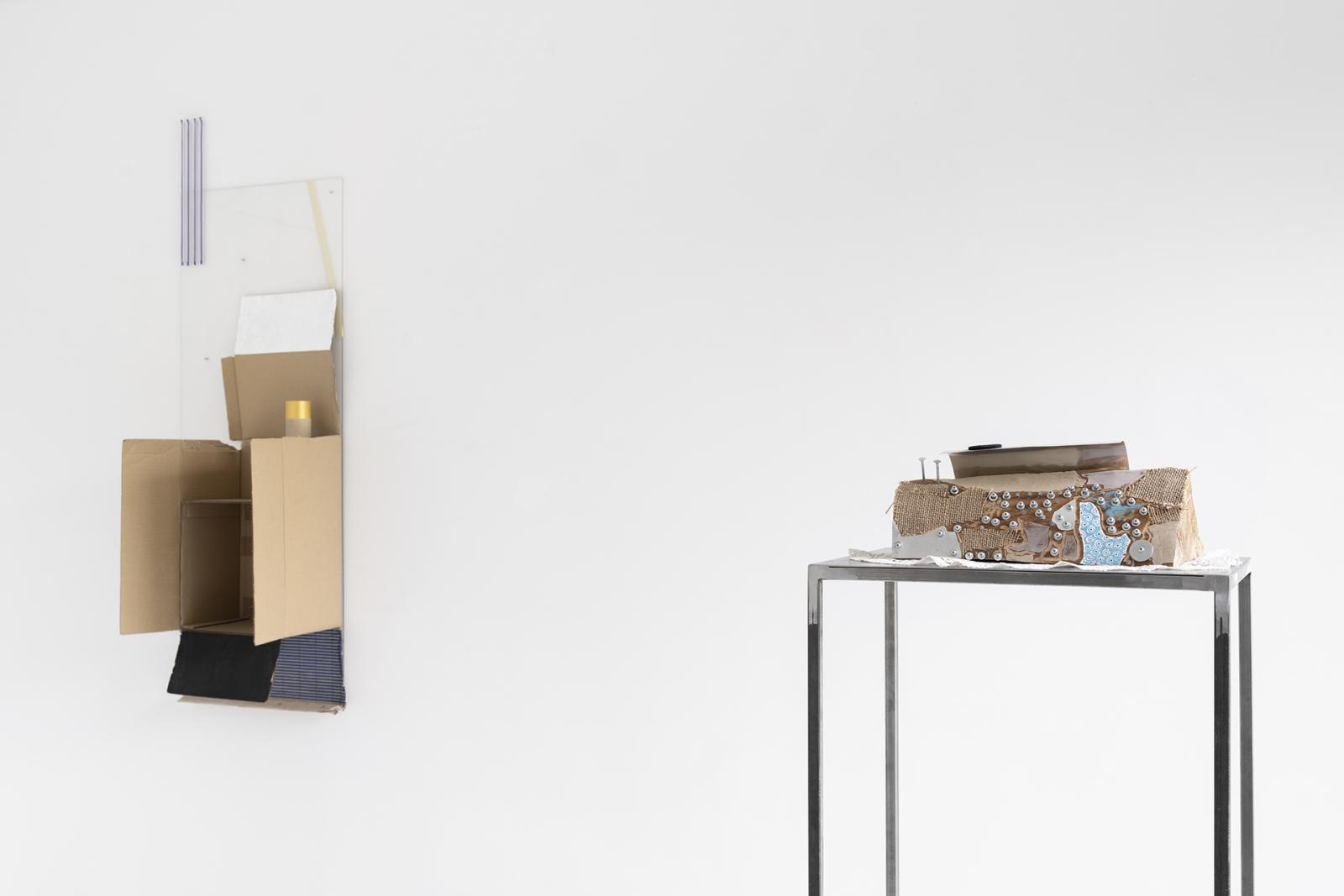
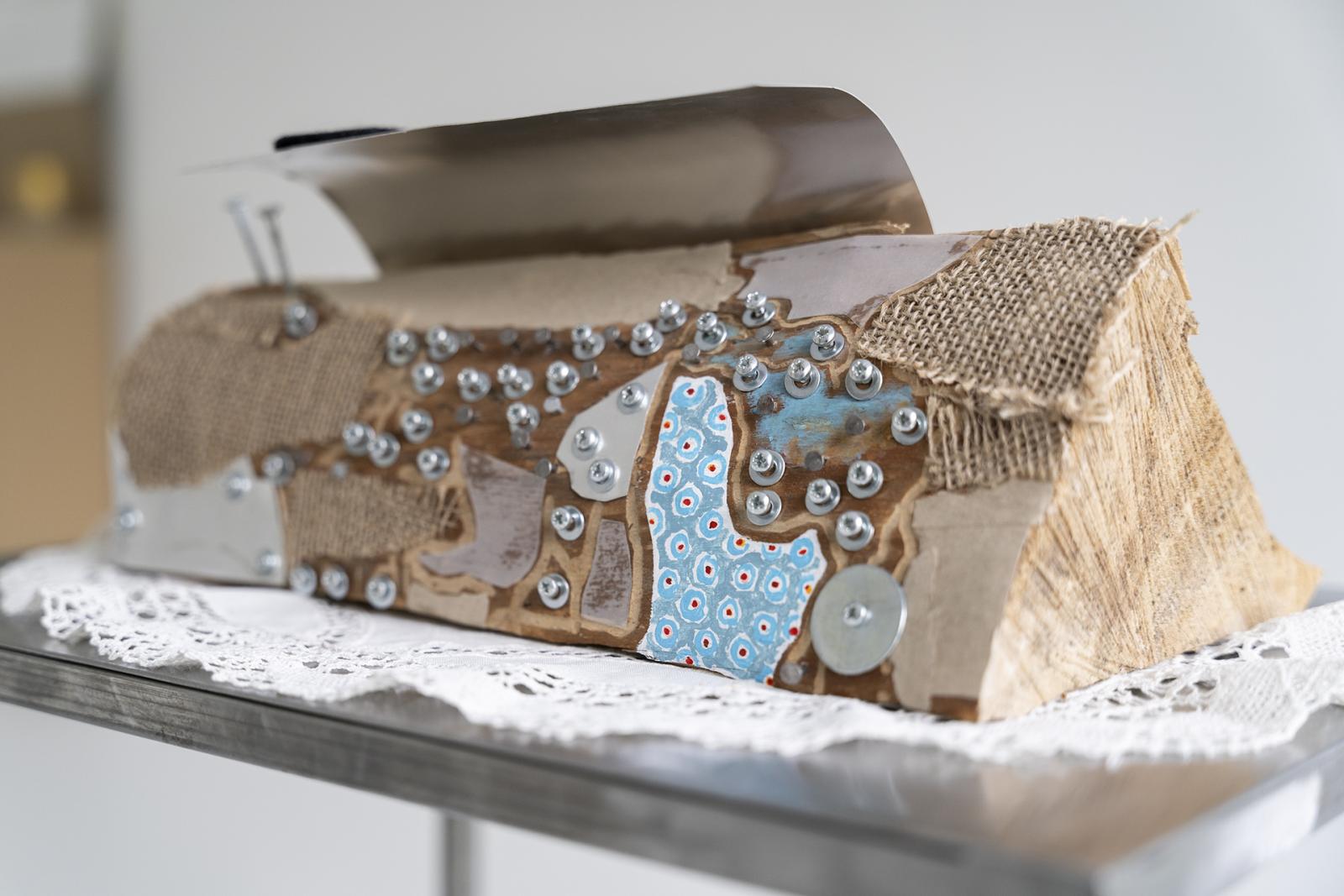
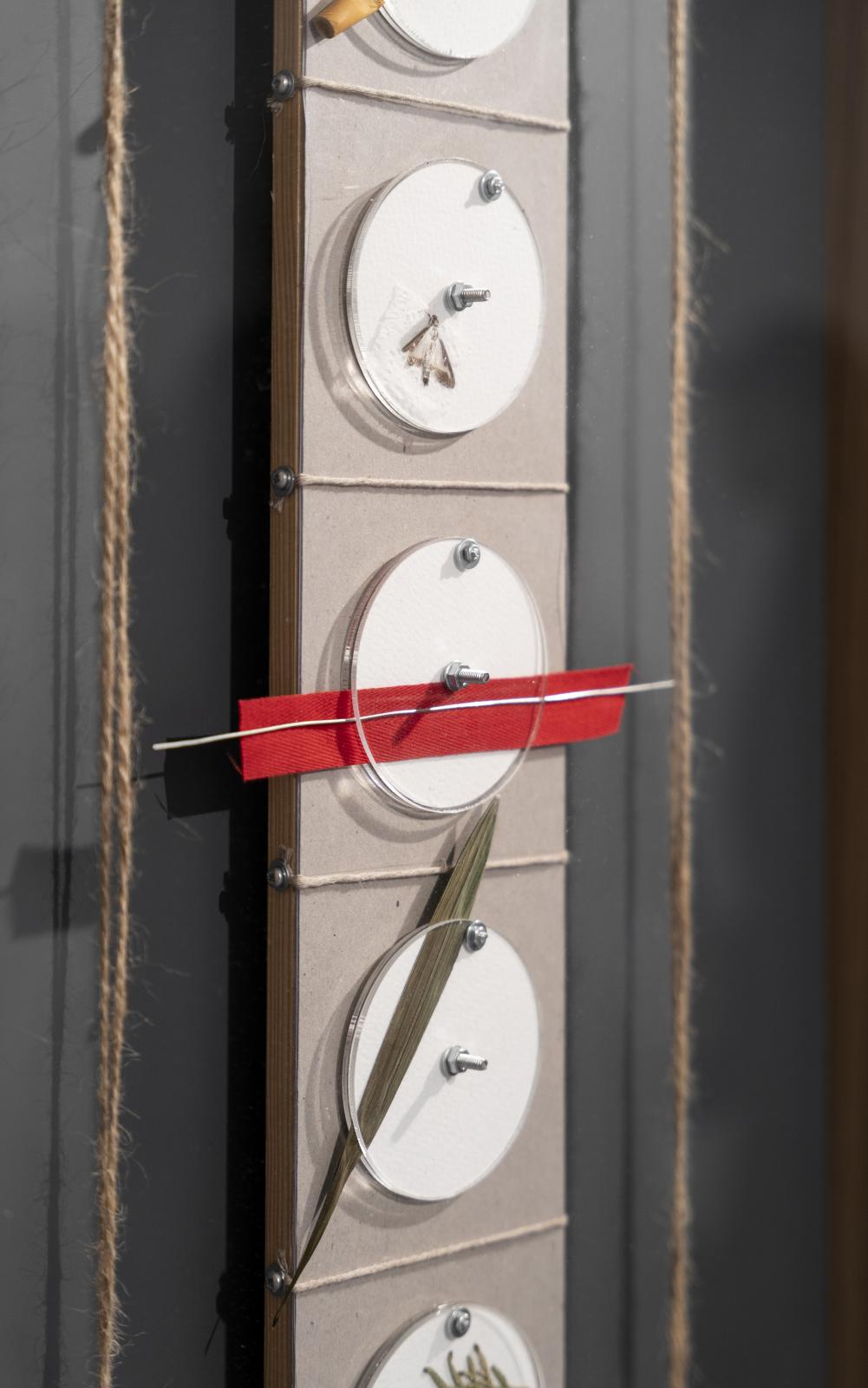
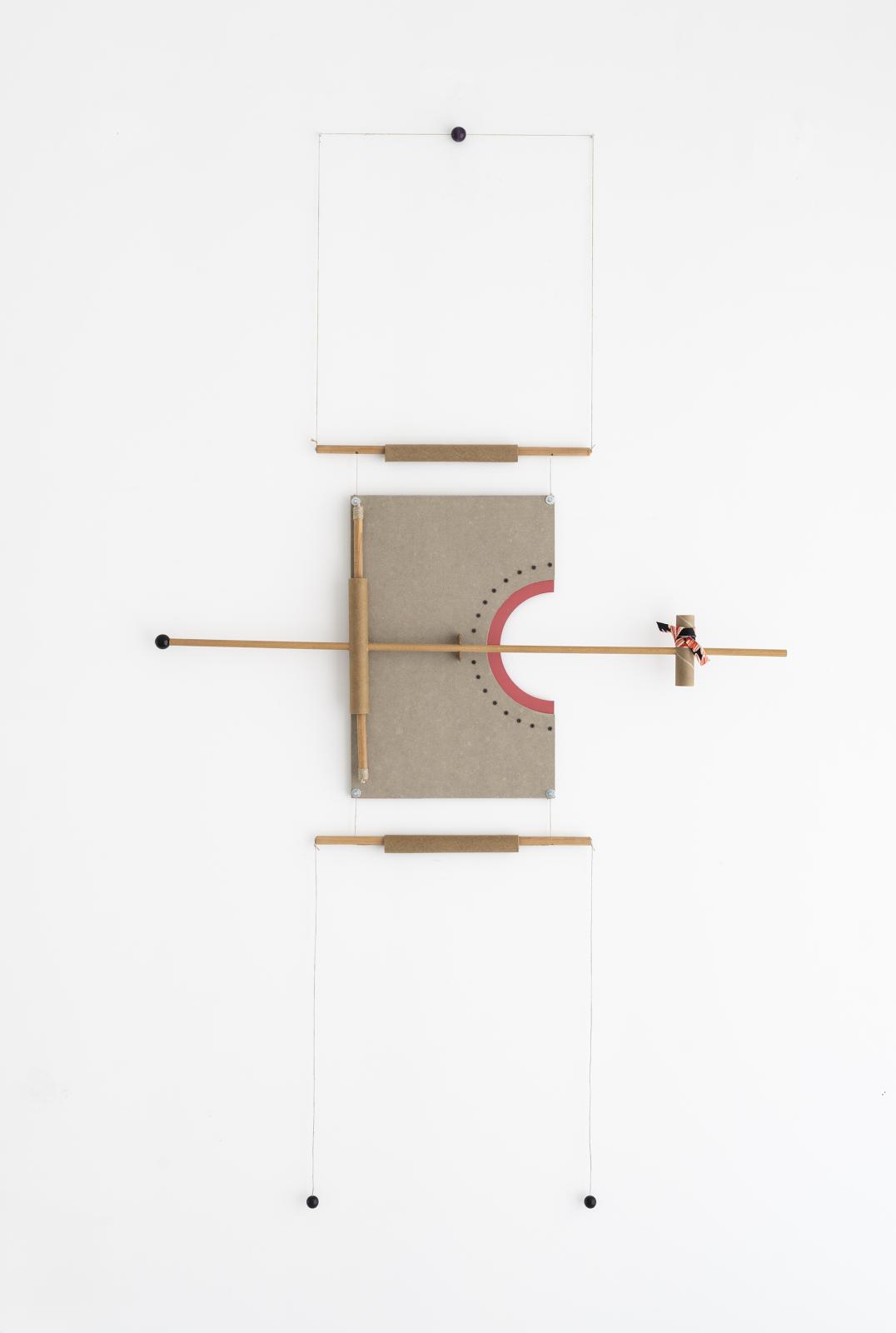
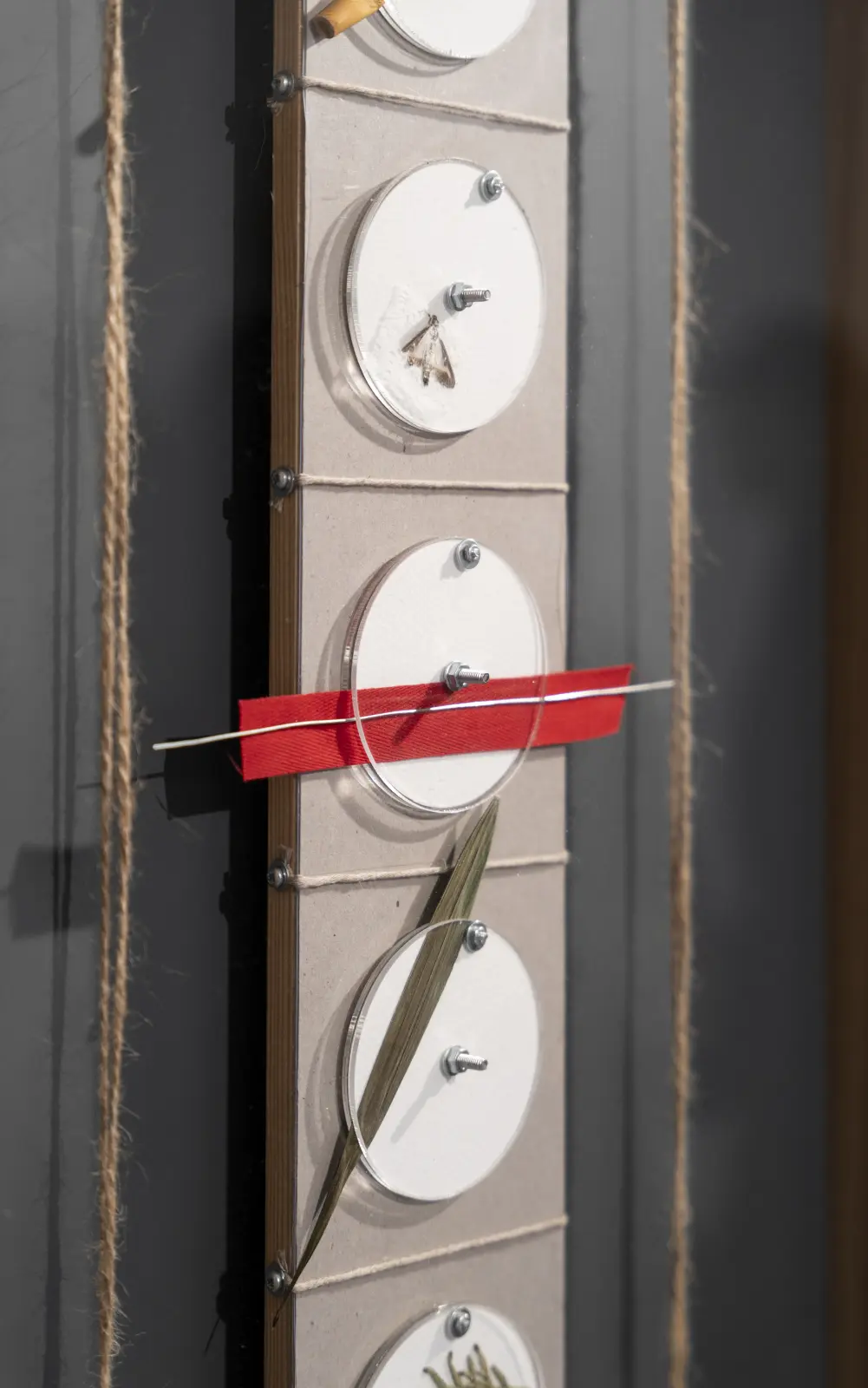
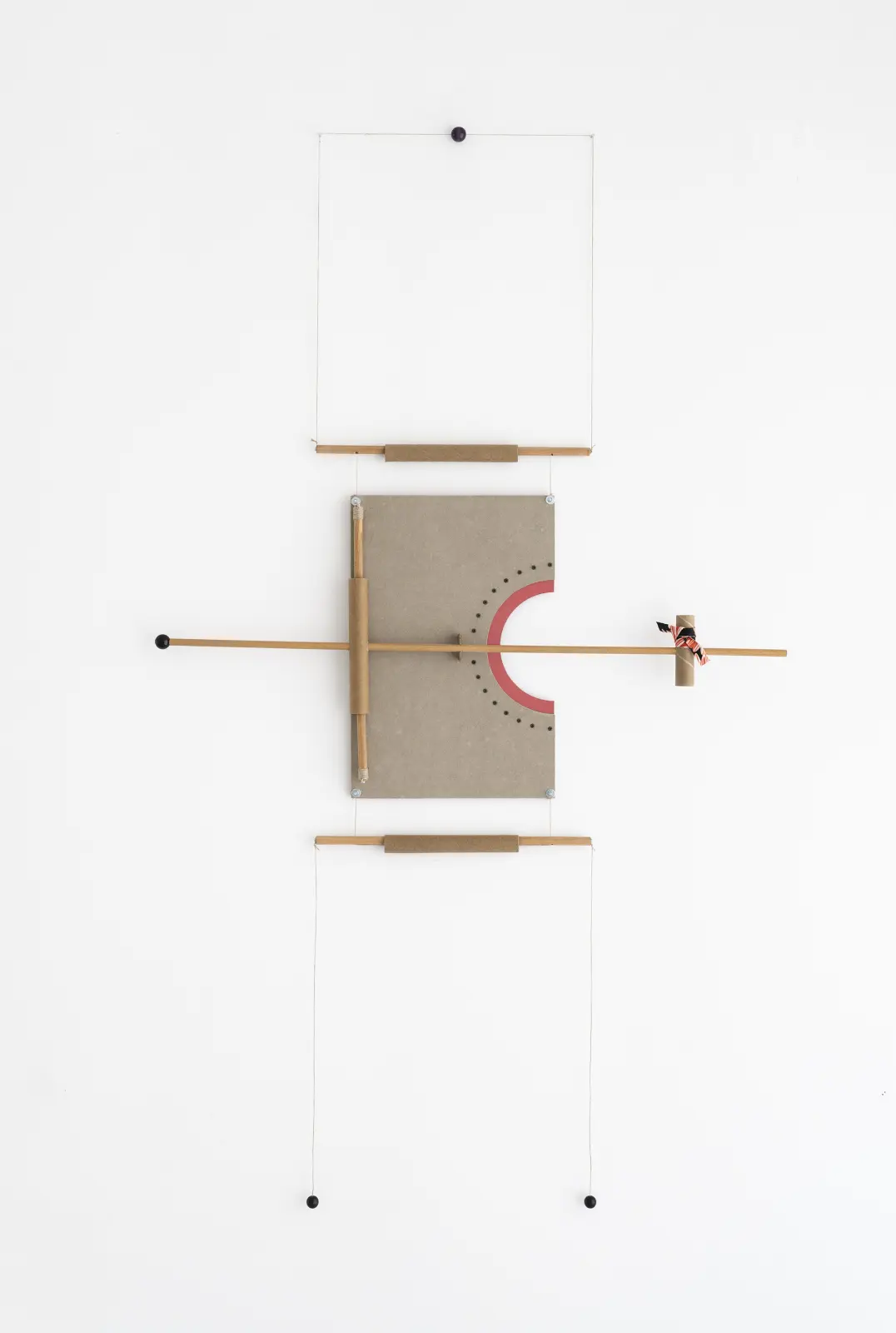
Kruk’s work constitutes a foundational contribution to this period, distinguished by its formal and material experimentation and its consistent challenge to dominant artistic hierarchies. The artist employs materials often overlooked in traditional art discourse — cardboard, tires, cords — granting them both symbolic and material significance. In his work, matter functions as both an existential and poetic medium; its imperfections and transience highlight moments suspended between the micro- and macrocosm, thoughtfully linking causes and consequences of events.
His practice operates at the intersection of contradictions: his creations balance between the seemingly innocent and the unsettling, between aesthetic form and existential uncertainty. He weaves networks of meaning by interlacing elements from different times, spaces, and symbolic orders. Motifs, materials, and experiences interact, constructing compositions that can be read as attempts to grasp the totality of existence — fragmentary, ephemeral, yet coherent.
At the core of Kruk’s work lies a need for understanding — both of himself and of the surrounding reality. He subverts established hierarchies and scales, replacing them with strategies of multiplication and unification of elements, which have become central to his artistic language. A key aspect of his practice is a subtle onirism, drawing on the logic of dreams and subconscious experience. Present from the earliest stages of his career, this dimension does not take literal narrative form but functions as an atmosphere — a way of organizing time, form, and meaning.
Kruk’s dreamlike strategies were particularly evident in the actions of Koło Klipsa in the 1980s, where the ephemeral nature of the events emphasized the transience of artistic experience. In this period, the two-dimensional image seemed “emotionally flimsy” to the artist, prompting a turn toward installation, performance, and spatial experimentation, which allowed for a fuller expression of the dynamics of life and subjective time. This approach established Kruk as one of the most distinctive figures in the Polish contemporary art scene, combining poetic sensitivity with intellectual rigor, and continues to inspire subsequent generations of artists.
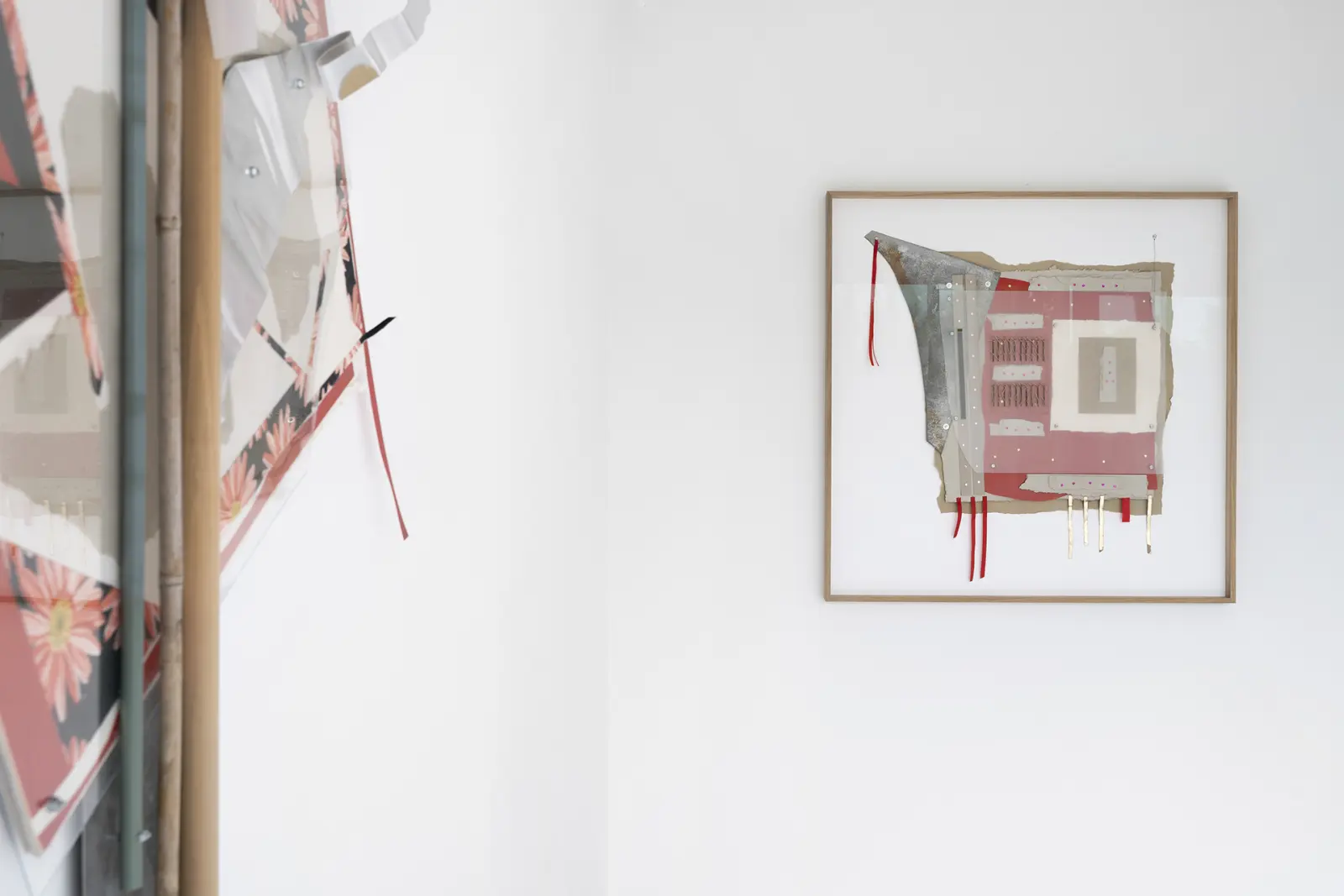
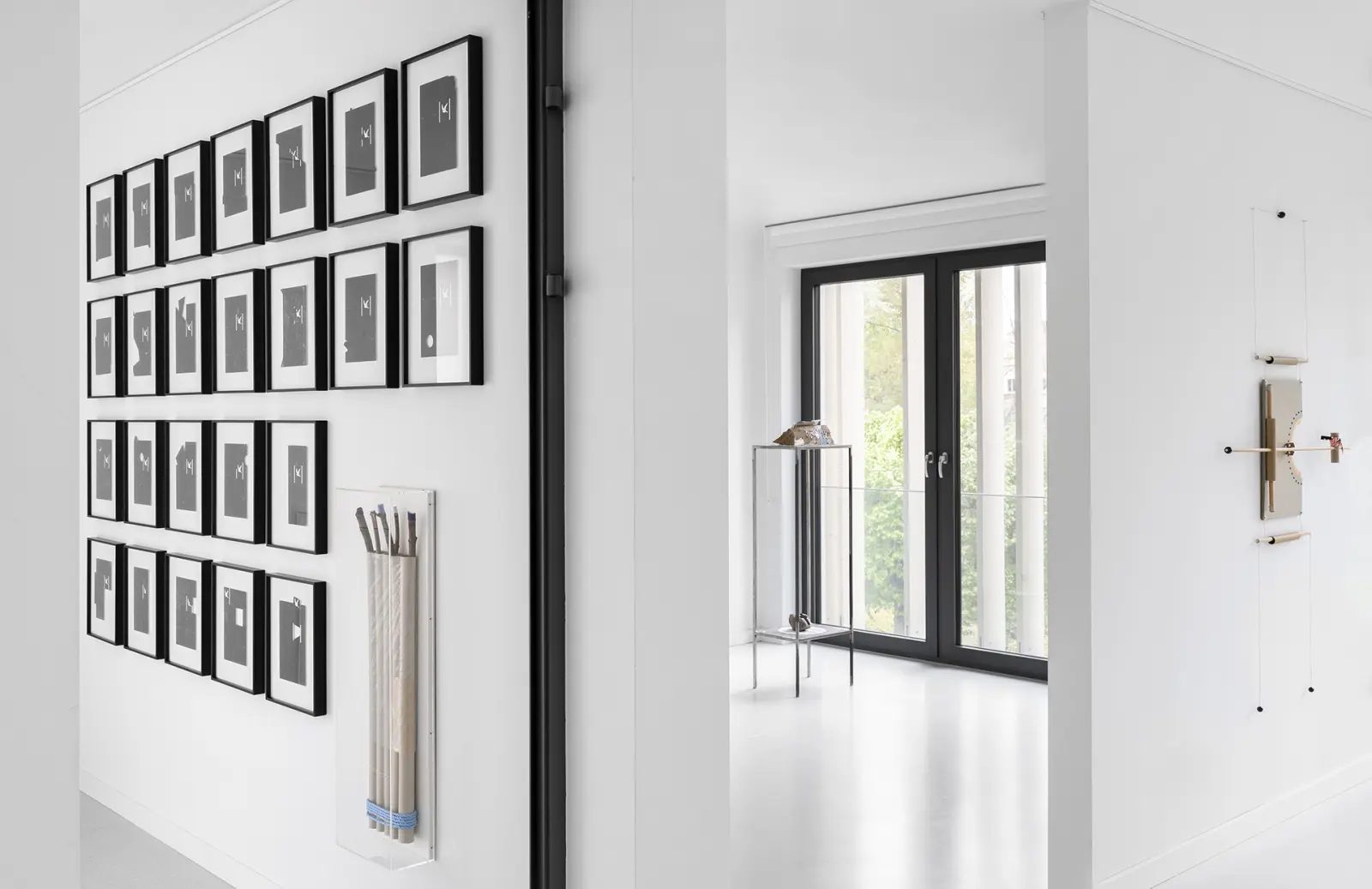
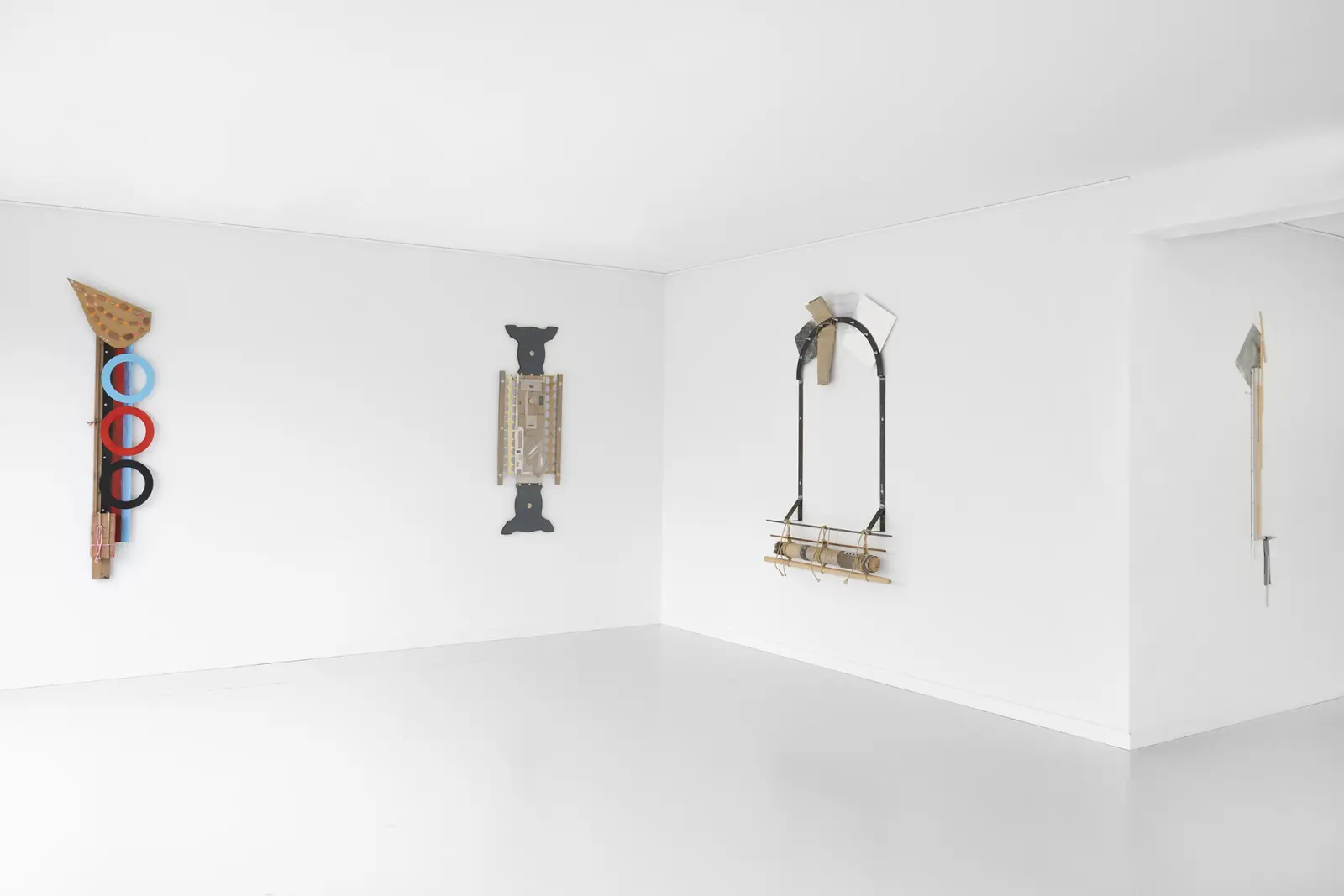
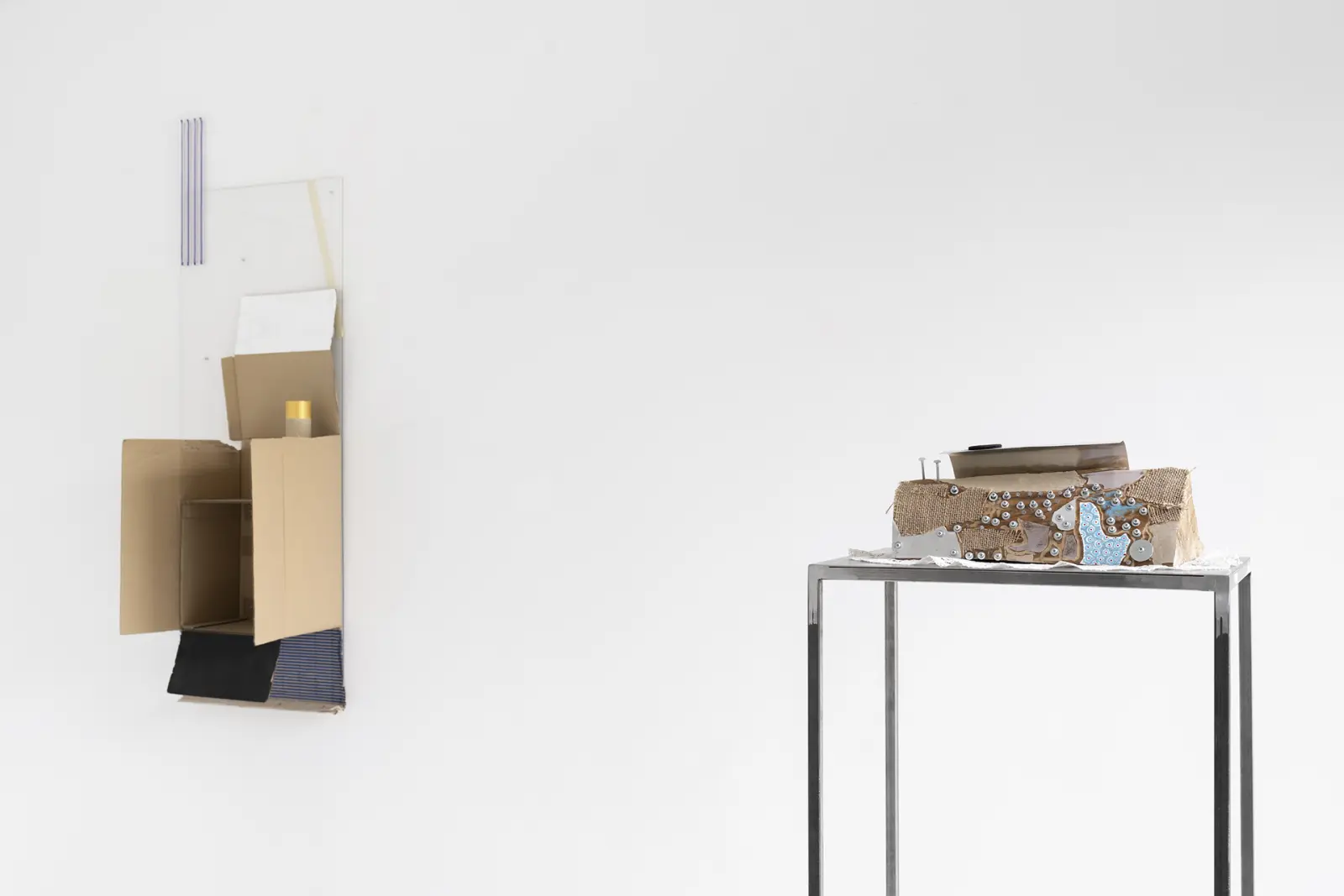

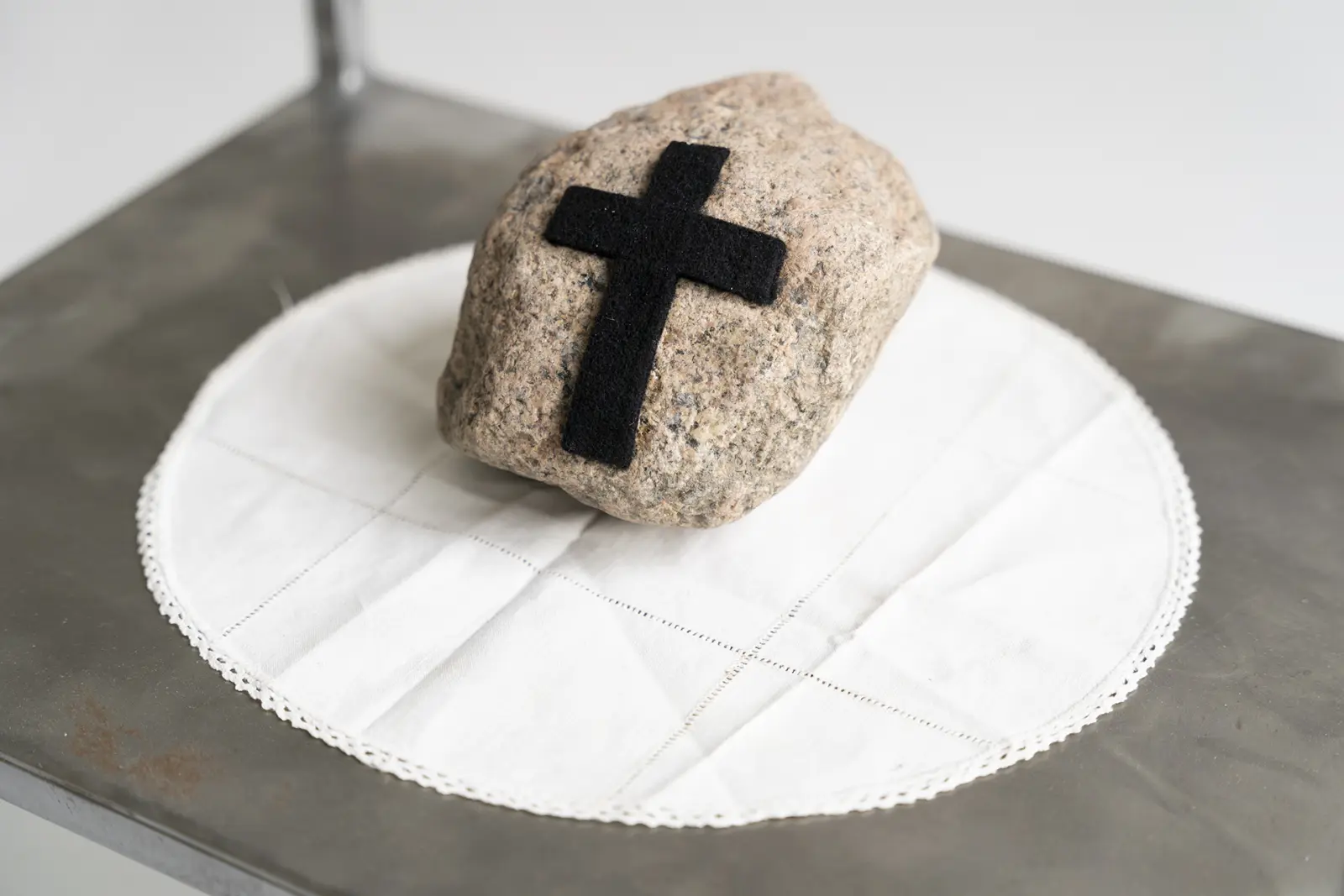
"New Expression" CCA Toruń, Poland
ULTRA-AVANTGUARD. KLIPSA CIRCLE AND THE POZNAŃ UNDERGROUND OF THE 1980s in National Museum in Poznań, Poland
"Mariusz Kruk. Solo Exhibition", White Gallery, Lublin, Poland
"Vital Realism of the Koło Klipsa Group", Museum of Art in Łódź, Poland